Best Home Backup Batteries for Sump Pumps and Furnaces
Critical-load backup is not about buying the biggest battery you can afford. The real mistake is ignoring startup surge, hardwired circuits, and whether your backup path can actually feed the panel circuits that matter. A smaller, well-matched system beats a larger battery if it handles the sump pump, furnace blower, and transfer setup correctly.
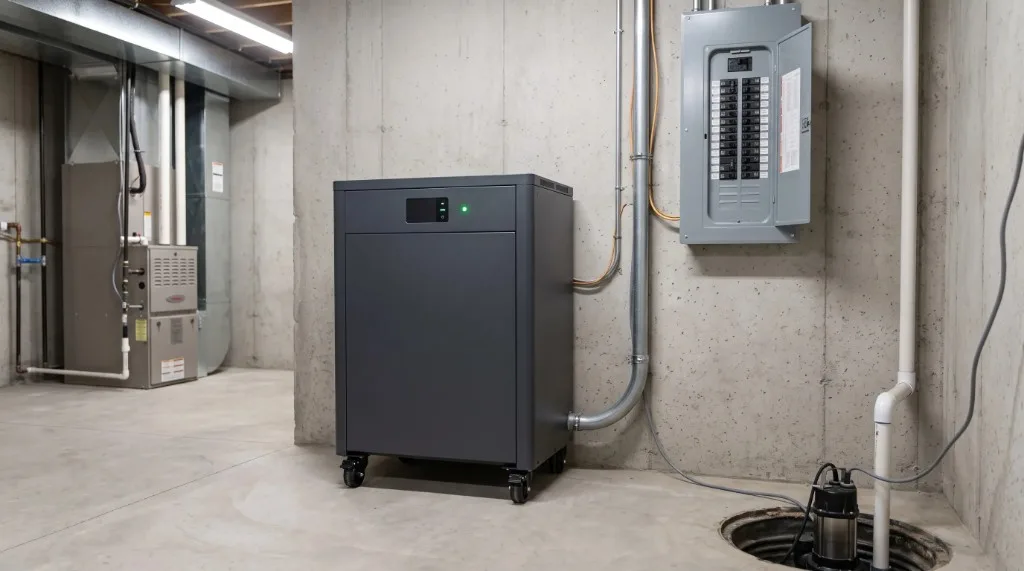
Before you read the picks: every hardwired option on this page — transfer switch, inlet box, critical-load subpanel, or wall battery — requires installation by a licensed electrician, and in nearly every jurisdiction a permit and inspection. Never backfeed a panel through a dryer outlet or a double-male cord. That setup energizes the utility line outside your house and can kill a lineman. This article helps you choose equipment; it is not wiring guidance.
The best critical-load home backup battery is the one that can start the hard loads, feed the right circuits, and last through the outage you actually get. A fridge is manageable. A modem is easy. A sump pump, furnace blower, or 240V well pump is where the plan gets real.
This roundup is for homeowners who want essential-circuit backup, not a blank-check whole-home system. We are looking at expandable stations, transfer-switch-ready systems, automatic panel options, and one installed wall battery, so you can decide how much backup is enough without buying around the wrong spec. If you still need the watt math for pump surge and overnight capacity, start with Can One Backup Battery Run a Sump Pump and Furnace Blower?.
Sizing
Size your home backup
Before choosing a battery, run your actual essentials through GridMatch's sizing calculator, then compare the recommended systems against your outage length, surge needs, and transfer-switch plan.
Free · No signup · Days, not hours
Quick recommendations
- Best overall: EcoFlow DELTA Pro 3 — 4096Wh, 4000W output, 8000W surge, and true 120V/240V from a single unit with 10ms switchover.
- Best manual transfer-switch value: Anker SOLIX F3800 — 6000W continuous, native 120V/240V, and a Home Backup Kit path, if you accept flipping a switch yourself.
- Best automatic circuit transfer: Jackery Explorer 5000 Plus — 5040Wh with the strongest surge here and a Smart Transfer Switch that automates a defined group of circuits.
- Best surge headroom: Bluetti AC500 + B300S — 10000W surge on a modular inverter-plus-battery layout, but 120V only in the single-unit configuration.
- Best expandable premium: EcoFlow DELTA Pro Ultra — 6144Wh base with room to grow toward whole-home, plus a Smart Home Panel 2 path.
- Best high-capacity plug-in: Zendure SuperBase V6400 — 6438Wh with 0ms UPS behavior, for people who want a big movable battery rather than a panel project.
- Best installed system: Tesla Powerwall 3 — 13500Wh and automatic whole-home transfer, when the transfer path matters more than portability.
The picks
EcoFlow DELTA Pro 3
Role: Best overall critical-load fit. The DELTA Pro 3 is the most balanced pick here because its specs line up with the usual critical-load problem: modest daily energy, annoying startup surge, and the need for 120V/240V flexibility. It starts at 4096Wh and delivers 4000W continuous with 8000W surge from an LFP pack rated 4000 cycles to 80%.
For a realistic load plan, assume a fridge, freezer, router, a few lights, and intermittent sump pump activity use roughly 2 to 5 kWh/day depending on pump cycling and furnace blower runtime. Derate stored energy by about 10-15% for inverter losses, which puts the 4096Wh base closer to 3.5 to 3.7 kWh usable on AC. That is a solid one-night essentials plan.
On expansion, read EcoFlow's marketing carefully. A single DELTA Pro 3 with two extra batteries reaches 12288Wh, which is the number that matters for most critical-load buyers. The widely advertised 48kWh figure requires multiple units plus extra batteries and smart generators, and 12kW refers to parallel output, not capacity.
The spec-backed differentiator is genuine 120V/240V split-phase from one unit plus 10ms UPS switchover, in a 113 lb wheeled package. That matters if your list includes a panel-fed circuit or a future 240V need rather than only extension-cord loads. The honest tradeoff: this is still not whole-home backup, and feeding a furnace blower, sump circuit, or well pump safely means a transfer switch or approved inlet, installed properly.
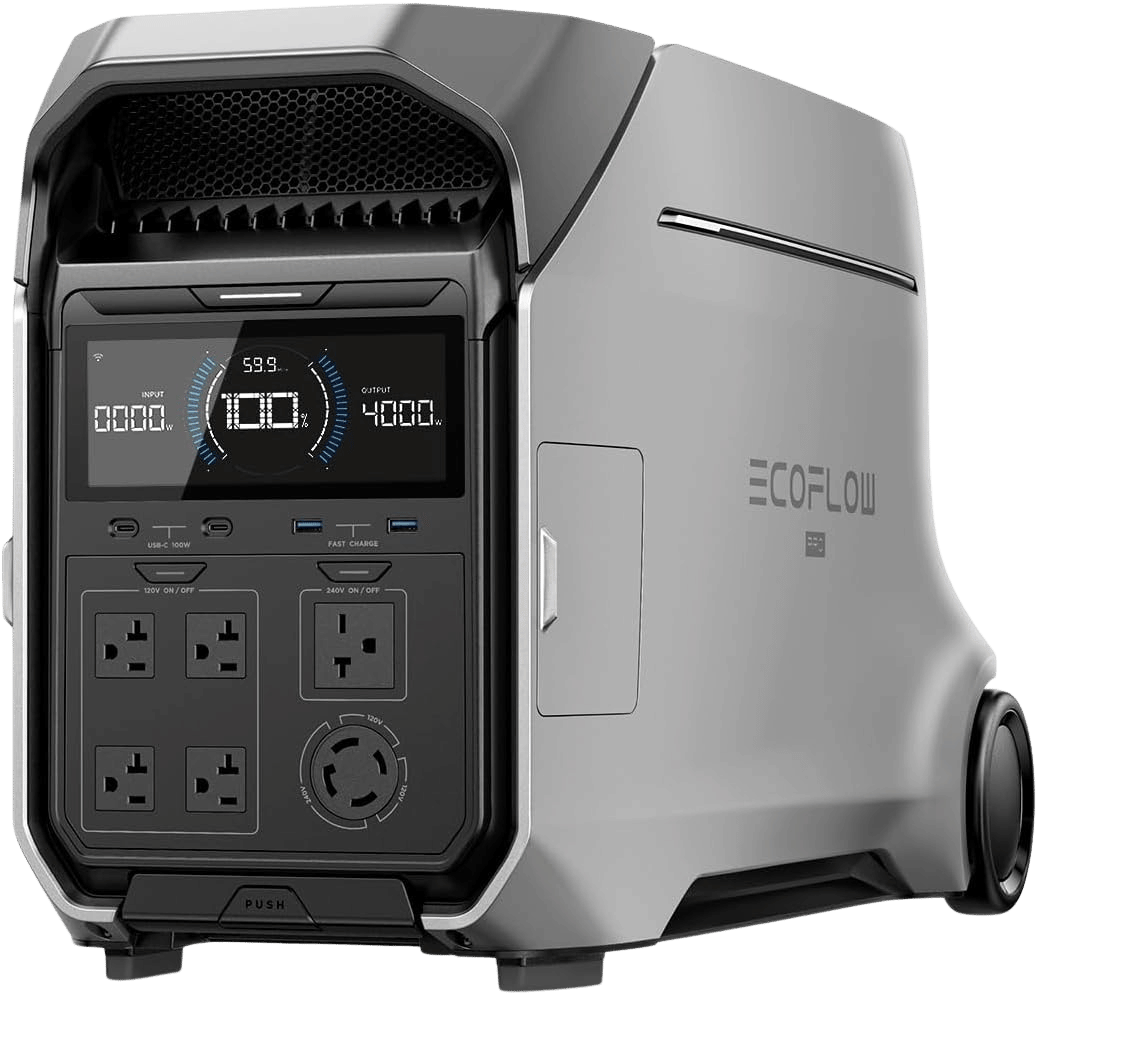
EcoFlow DELTA Pro 3
2 configurations
4.1–12.3 kWh LFP (single-unit stack), 4000 W / 8000 W surge, true 120V/240V, ~10 ms UPS.
Anker SOLIX F3800
Role: Best manual transfer-switch value. The SOLIX F3800 suits homeowners who want a portable station wired into a transfer switch without jumping to a permanently installed wall battery. It has 3840Wh base capacity, expands to 26880Wh, and provides 6000W continuous with 9000W surge from LiFePO4.
That 6000W output is why it earns the role. Critical loads do not use huge energy all day, but they stack badly for a few minutes: a sump pump starts while the fridge compressor is running and the furnace blower kicks in. The F3800 has more continuous headroom than most plug-in units, and native 120V/240V makes it genuinely useful for selected circuits rather than cord loads only.
The Home Backup Kit path includes a manual transfer switch. You flip it during an outage. For many homeowners that is fine, because the clean wiring path matters more than hands-free operation — but know what you are buying. The tradeoffs are weight and setup friction: at 132.3 lbs this is a cart-style system, and the transfer path still needs an electrician. With 3840Wh base, it also gets tight fast across 24 to 48 hours unless you expand or keep loads disciplined.
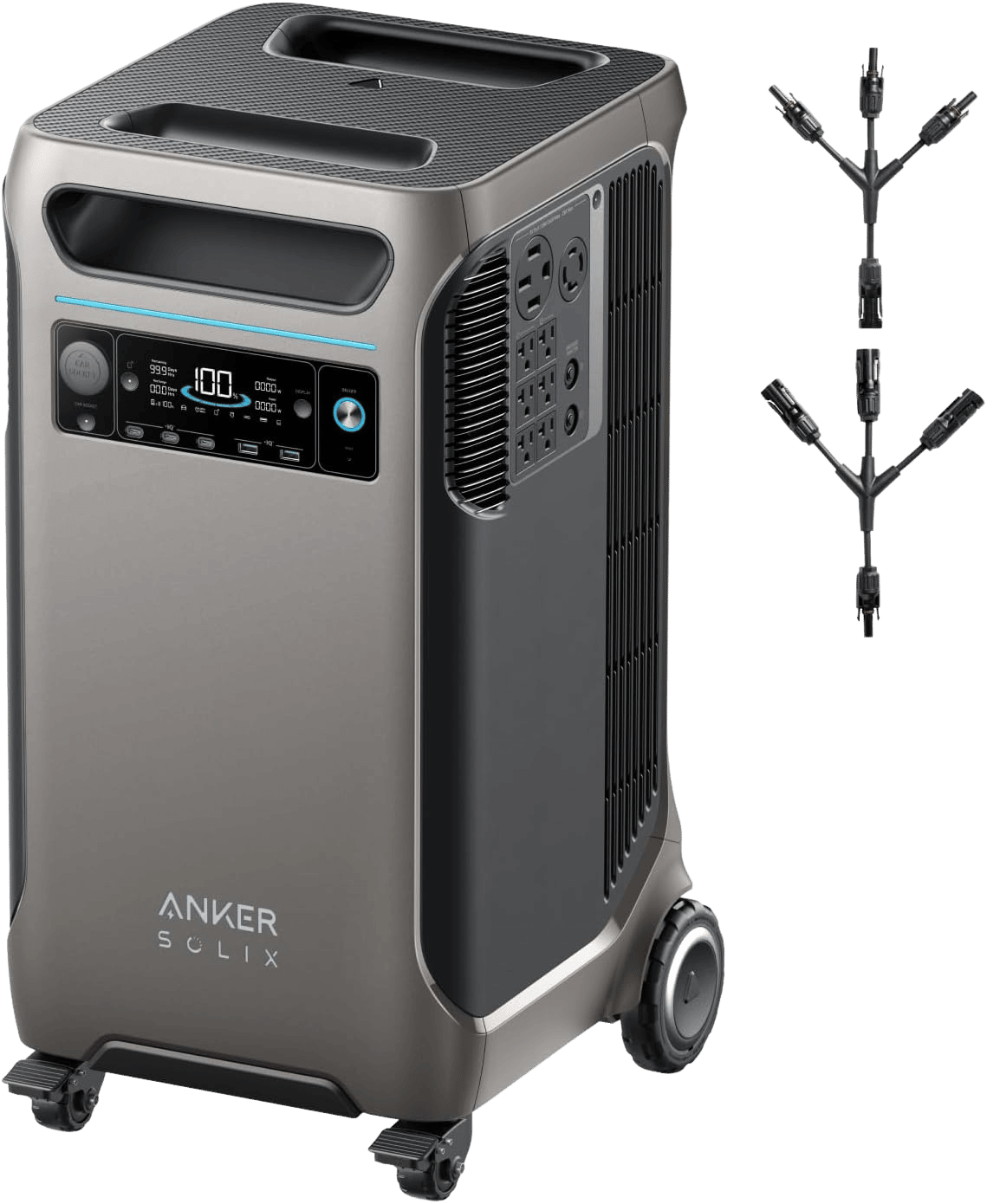
Anker SOLIX F3800
3 configurations
3.84–26.9 kWh LFP, 6000 W, native 240V, expandable home backup.
Bluetti AC500 + B300S
Role: Best surge headroom, with an important voltage caveat. The AC500 + B300S is the pick when startup surge is your biggest worry and you like a modular inverter-plus-battery layout. Base capacity is 3072Wh, max is 18432Wh, output is 5000W continuous, and surge is 10000W.
That surge rating is the draw. A sump pump can sit idle for hours and then demand a large startup surge at the worst moment, and furnace blowers and pump motors are less forgiving than their running-watt labels suggest. The AC500 gives more surge headroom than its base capacity implies.
The caveat is voltage, and it is the reason this pick is not ranked higher. A single AC500 outputs 120V only. Split-phase 240V requires two AC500 units joined by the P030A Fusion Box, and Bluetti notes that even in split-phase mode the combined system tops out around 7200W rather than 10000W. Bluetti's own Home Integration Kit for one AC500 + B300S set is explicitly a 120V, 5000W backup system. If a 240V well pump is on your list, one AC500 will not do it, no matter how good the surge number looks.
Runtime also needs sober math. A 3072Wh base derated 10-15% gives roughly 2.6 to 2.8 kWh of practical AC energy — fine for a fridge, networking gear, lights, and intermittent pumping over a short outage, not a comfortable 48-hour plan. At about 150 lbs combined and without wheels, it is also the least pleasant unit here to reposition.
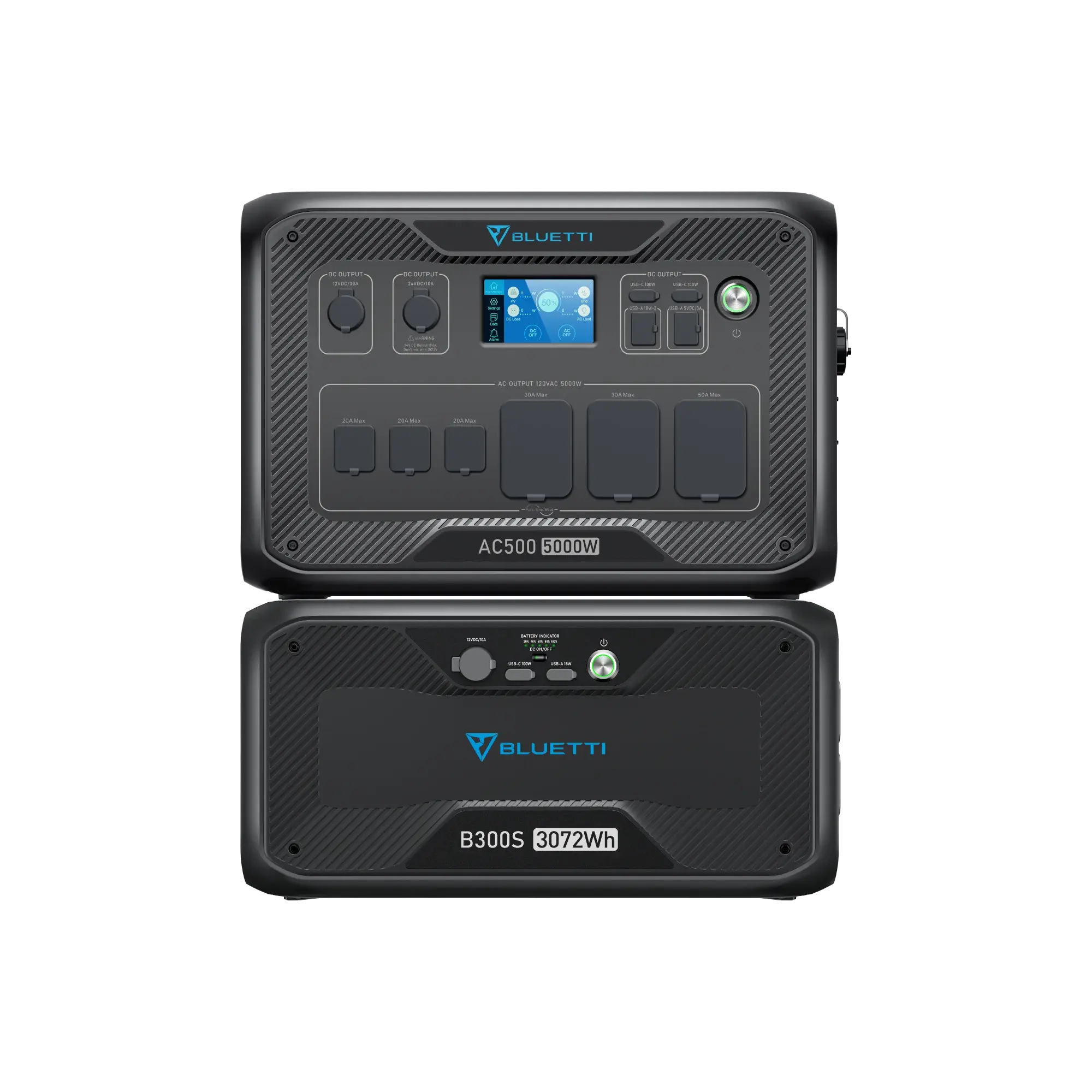
Bluetti AC500 + B300S
3 configurations
3.07–18.4 kWh modular LFP, 5000 W / 10000 W surge — 120V on a single unit (dual + Fusion Box for 240V).
Jackery Explorer 5000 Plus
Role: Best automatic circuit transfer. The Explorer 5000 Plus fits when you want automatic transfer for a defined group of circuits instead of walking to a manual switch in the dark. The base unit has 5040Wh, expands toward 60480Wh, and provides 7200W continuous with 14400W surge.
The Smart Transfer Switch option is the real reason to consider it. It automates transfer for a selected set of circuits — up to 12 at 120V or 6 at 240V — rather than the whole panel. That distinction matters: the switch feeds the right circuits cleanly, but it does not create stored energy. If your selected loads average 3 kWh/day after cycling, the base unit covers a short outage after derating. If the sump pump runs hard or the blower cycles often, expansion stops being optional.
It is also the strongest surge option here at 14400W, which gives real margin for motor-heavy loads. The tradeoffs are cost and installation complexity: automatic transfer hardware, circuit selection, and 120V versus 240V layout all need planning with your electrician. At 134.5 lbs it has wheels, but this is a serious home-backup system, not a casual plug-in battery.
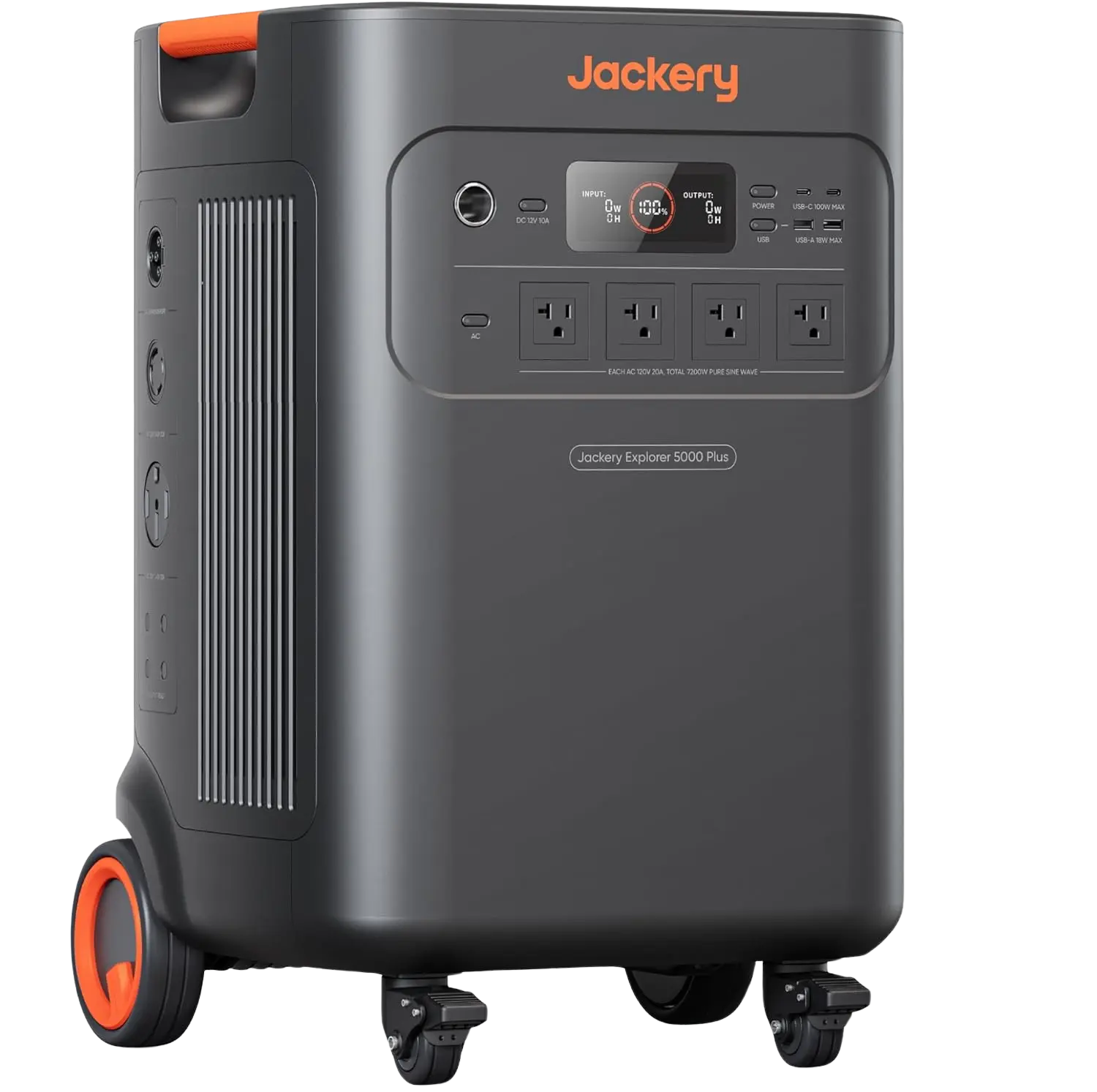
Jackery Explorer 5000 Plus
2 configurations
5.04–60 kWh LFP, 7200 W, 240V, STS selected-circuit automatic transfer (12×120V / 6×240V).
EcoFlow DELTA Pro Ultra
Role: Best expandable premium system. The DELTA Pro Ultra suits homeowners who start with critical loads but want room to grow into a larger panel-backed system. One inverter plus one battery gives 6144Wh, expanding to 90000Wh, with 7200W continuous, 10800W surge, and 120V/240V support.
The practical advantage is scale without committing to a fixed wall battery. A 6144Wh base gives roughly 5.2 to 5.5 kWh usable after derating — a far more comfortable starting point for fridge, freezer, router, lights, furnace blower, and occasional pump cycling than a 3 kWh-class system. For a 24 to 48 hour target, expansion makes the math much less brittle.
The differentiator is the transfer and charging ecosystem: 0ms online UPS behavior at the unit, plus Smart Home Panel 2 for roughly 20ms automatic switchover, app circuit control, and clean circuit prioritization. The tradeoffs are weight and installation seriousness — 186.4 lbs, panel hardware as a separate purchase and install, and a setup that overlaps with whole-home territory. Most homeowners should not buy this to run a fridge and a router.
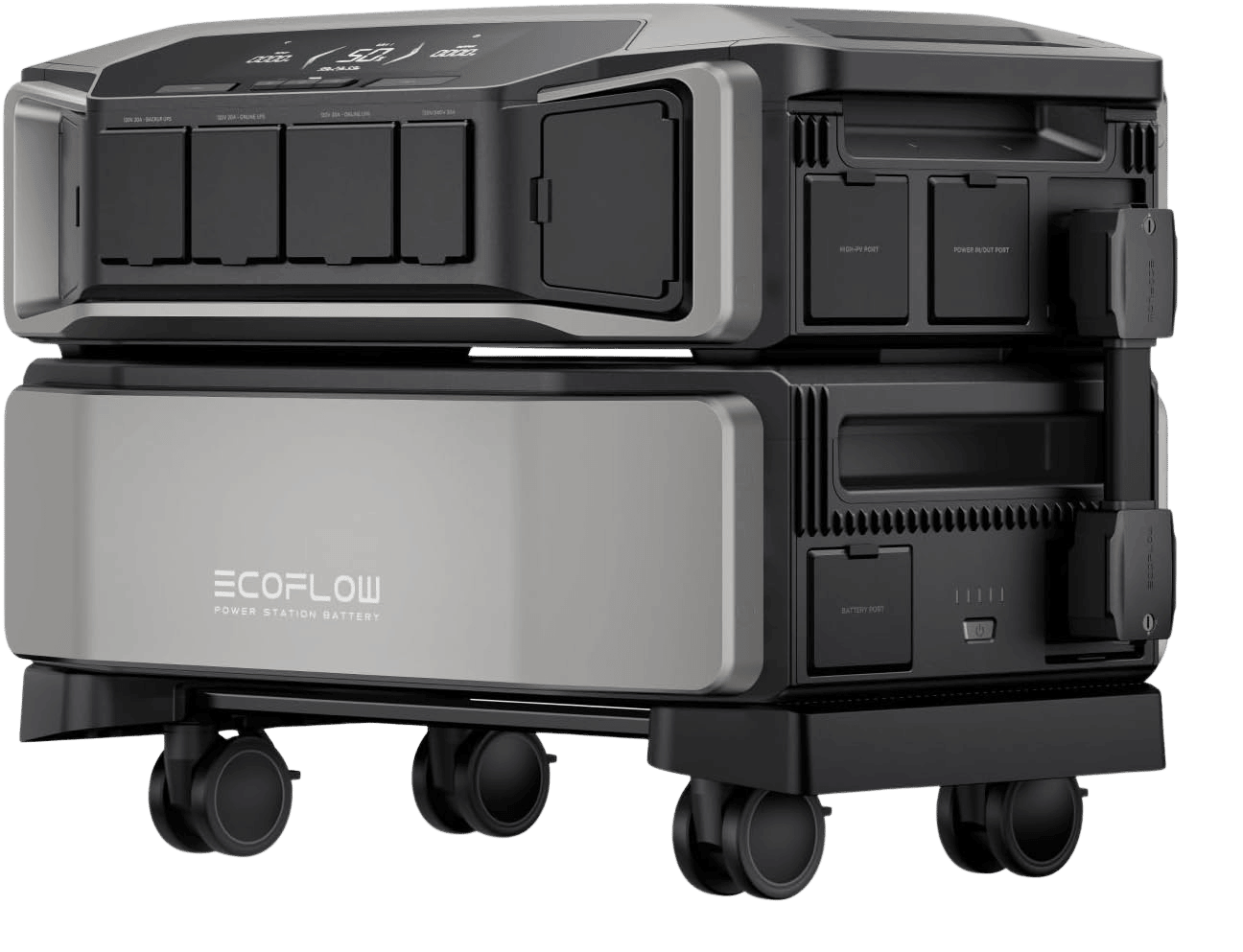
EcoFlow DELTA Pro Ultra
3 configurations
6.1–90 kWh modular LFP, 7.2 kW / 240V, ~2 h recharge, SHP2 auto transfer option.
Zendure SuperBase V6400
Role: Best high-capacity plug-in. The SuperBase V6400 makes sense when you want a large movable battery with very fast UPS behavior and are not ready for a transfer-panel project. It has 6438Wh, expands to 64000Wh, uses a semi-solid-state pack, and provides 3800W continuous from a single unit at about 130 lbs.
The 0ms UPS switchover is the standout, and it is genuinely unusual: Zendure is one of very few systems that delivers 120V and 240V simultaneously from a single base unit. For networking gear, home office equipment, and sensitive electronics, that can matter more than a few hundred extra watts. The 6438Wh base also gives a useful cushion — roughly mid-5 kWh usable after derating.
Two constraints keep it out of the top spots. First, output: 3800W continuous is fine for many essentials but less forgiving than the higher-surge picks when a pump, blower, and compressor overlap. Second, and more important for this article, the 240V comes from a single NEMA 6-20 receptacle rated 16A. That is a plug, not a split-phase panel feed. It is useful for a cord-connected 240V tool or appliance; it is not the path to a hardwired well pump circuit. Renters and condo owners also generally cannot modify panels or install transfer gear without permission.
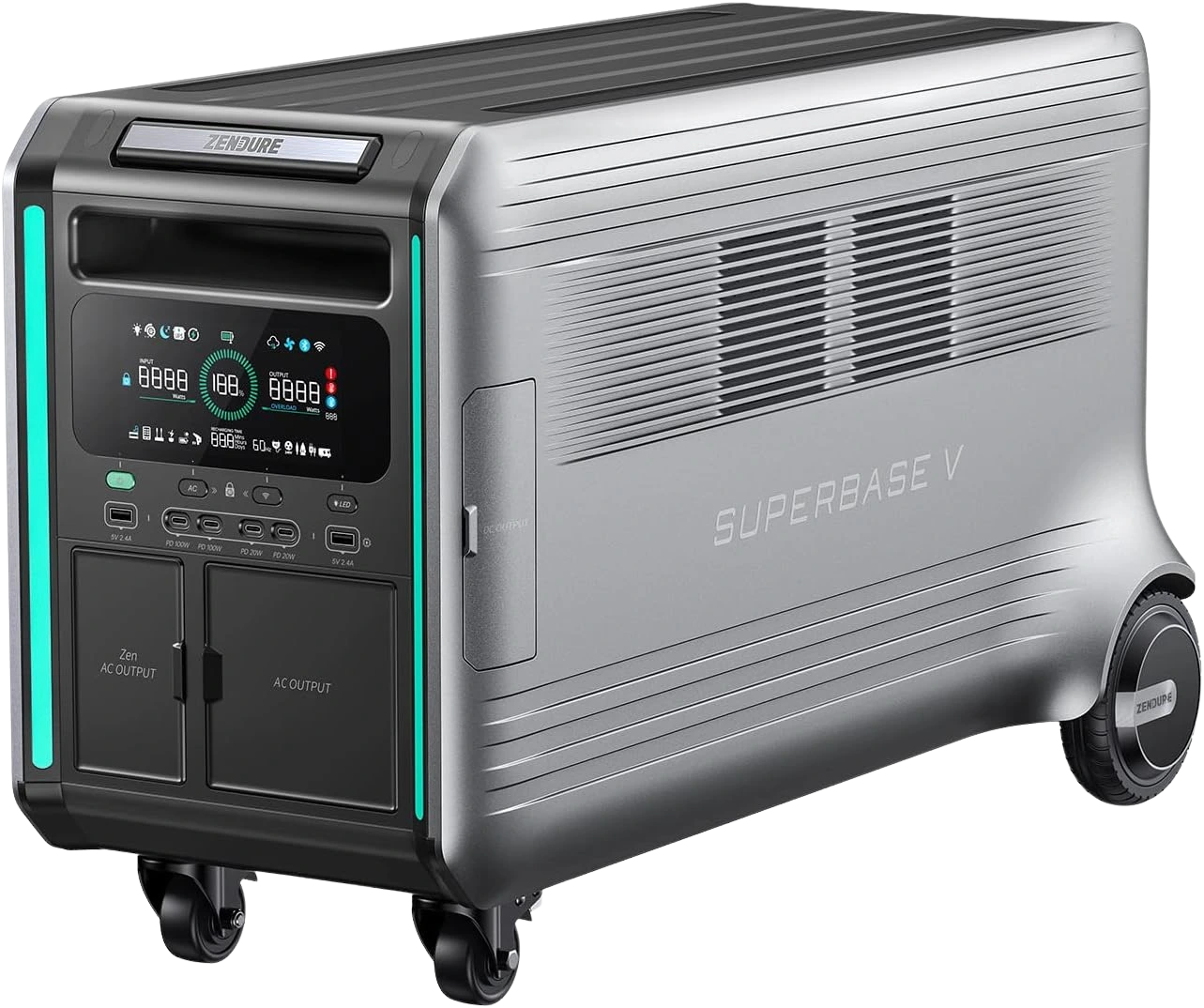
Zendure SuperBase V6400
6.44–64 kWh semi-solid-state, 3800 W, simultaneous 120V/240V via NEMA 6-20 (16A), 0 ms UPS — 130 lb.
Tesla Powerwall 3
Role: Best installed wall-battery alternative. Powerwall 3 is not a portable station. It is the installed benchmark for homeowners who want automatic backup through a professionally installed system: 13500Wh base capacity, expandable to 54000Wh, 11500W continuous, LiFePO4.
For critical loads, the appeal is not just capacity — it is the clean transfer path. Gateway-based automatic whole-home transfer keeps selected circuits running with no manual switching and no cords. The 13.5 kWh base is also materially larger than any portable base here, making it a much more comfortable 24 to 48 hour platform for essential circuits, assuming loads are managed.
The tradeoff is commitment. Powerwall 3 requires a certified installer, permit, and lead time. At 287 lbs and wall-mounted, it is not something you roll to another room or take with you when you move. It is the right answer when the transfer path matters more than portability, especially for hardwired loads — and overkill if your real need is a fridge, a router, and a few lights during short outages.
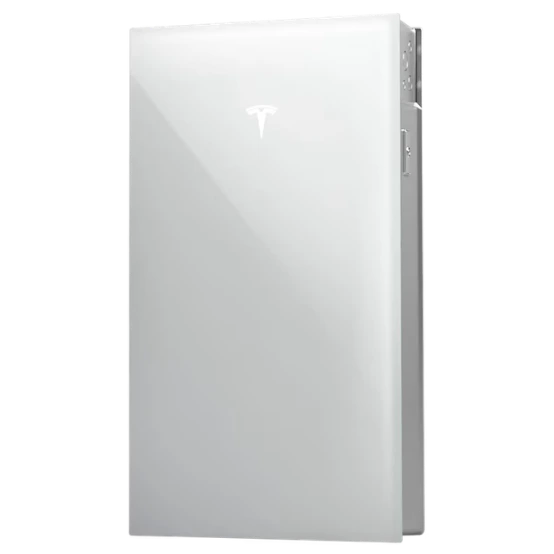
Tesla Powerwall 3
13.5 kWh installed LFP wall battery, 11.5 kW, automatic whole-home backup.
How to choose
Start with the loads that can actually break the plan
Critical-load backup is less about house size and more about which loads start hard. A refrigerator runs part of the hour, but the compressor cycles. A sump pump draws nothing for a long stretch, then starts under load. A gas furnace still needs electricity for the blower, controls, and ignition.
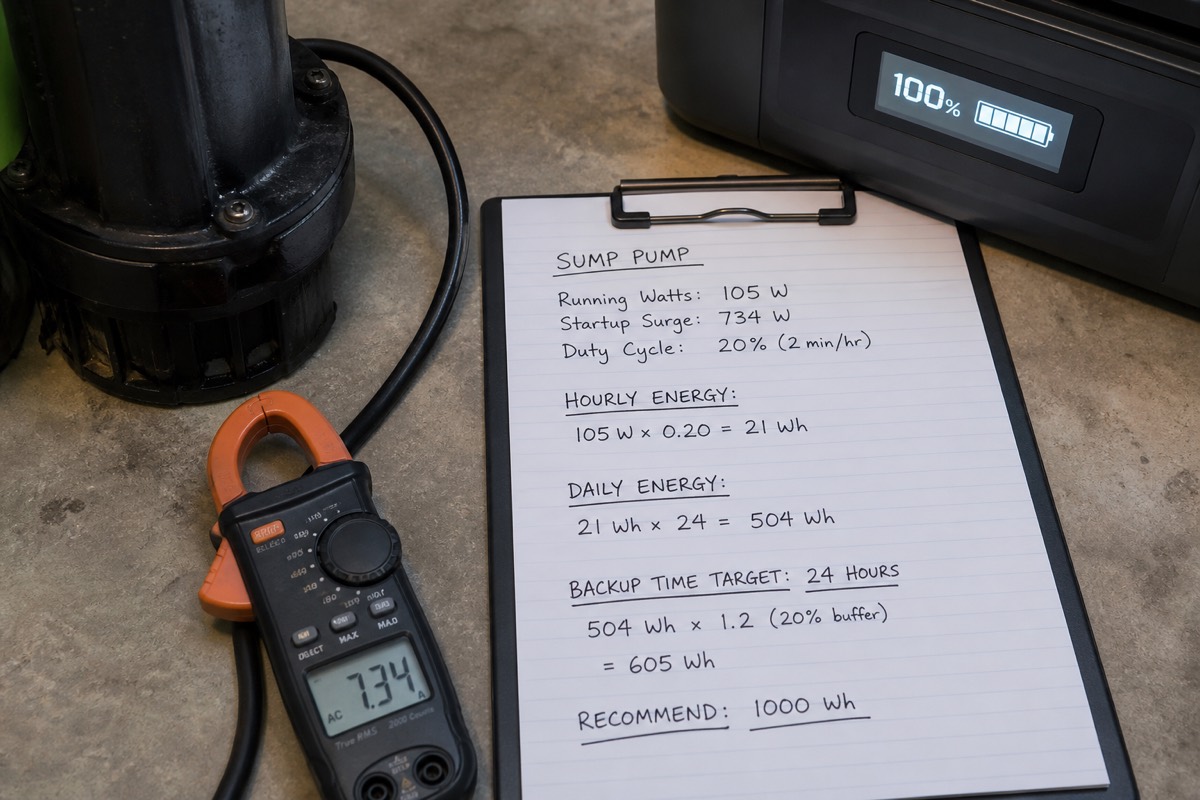
Make two columns: running watts and startup surge. Running watts tell you whether the battery can carry the load continuously. The surge number tells you whether it can start the motor without tripping. This is why a 10000W or 14400W surge rating can matter more than another kilowatt-hour of capacity in a pump-heavy home.
Convert your outage goal into kWh/day
daily energy = watts × hours per day ÷ 1000
For cycling appliances, estimate duty cycle instead of pretending they run constantly. A fridge might run only part of the day. A sump pump might be near zero in dry weather and very active during a storm. That uncertainty is exactly why sump backup needs margin.
Once AC power is involved, derate by about 10-15% for inverter losses. A 4096Wh battery is not a full 4.096 kWh at the outlet; a practical estimate is closer to 3.5 to 3.7 kWh. That does not make the spec dishonest — it is just how inverters work.
Match 120V, 240V, and the transfer path
Plugging a fridge into a battery is simple. Feeding a furnace blower, sump circuit, critical-load subpanel, or well pump is a different project that requires an electrician.
For 240V loads, do not assume a big watt-hour number means the battery can help. You need real 240V output, enough surge, and a transfer setup that supports the circuit — and the differences here are larger than the spec sheets suggest:
- True split-phase 240V from a single unit: EcoFlow DELTA Pro 3, Anker SOLIX F3800, Jackery Explorer 5000 Plus, EcoFlow DELTA Pro Ultra, Tesla Powerwall 3
- 240V from a single receptacle, not a panel feed: Zendure SuperBase V6400 (one NEMA 6-20, 16A)
- 120V only unless you buy two units and a Fusion Box: Bluetti AC500 + B300S
If a 240V well pump is on your critical-load list, that last line is the single most expensive thing to get wrong.
Manual transfer is not the same as automatic backup
Manual transfer can be an excellent critical-load solution. It is simpler than full automatic backup and lets you choose the handful of circuits that matter. The limitation shows up during a storm: someone has to flip the switch, possibly at 3am, possibly while you are away.
Automatic systems remove that friction. Jackery's Smart Transfer Switch and EcoFlow's Smart Home Panel 2 add automatic switchover; Powerwall 3 is the installed automatic route. These are cleaner for recurring outages, but they add installation planning and are a different buying decision than a standalone battery.
If the sump pump is your only real worry
Read this before buying anything on this list. If your sole concern is basement flooding, a dedicated DC backup sump pump — a second pump on its own battery, plumbed into the same discharge line — is usually cheaper, simpler, and more reliable than backing up the primary pump through a whole-house battery. It runs automatically, needs no transfer switch, and does not care whether you are home.
A large battery makes more sense when the sump is one of several loads you want covered. If it is the only load, buy the purpose-built solution and put a water alarm in the pit as well.
Watch for hidden constraints
Idle draw matters on multi-day outages. A large inverter running a tiny load wastes energy, so do not leave unnecessary circuits energized just because the panel can feed them. Motor loads may need extra surge margin or a soft starter depending on the appliance. And no 120V cord plan solves a 240V well pump.
Test the whole setup before storm season, on a calm day, with the loads you actually plan to run. The worst time to discover your transfer switch was wired to the wrong circuit is during the outage.
FAQ
Can a home battery run a sump pump?
Yes, if it has enough surge capacity, enough continuous output, and the pump is connected safely. Startup surge is the tricky part: a sump pump sits idle for hours, then starts hard when water is rising. For a hardwired sump circuit, plan on a transfer switch or critical-load subpanel installed by an electrician, not an extension-cord workaround. If the sump is your only concern, also compare against a dedicated DC backup pump.
How much battery do I need for a fridge, freezer, router, lights, and furnace blower?
Estimate kWh/day: add each load's watts multiplied by expected runtime, then divide by 1000. Subtract about 10-15% for inverter losses. Many essential-load homes land at a few kWh/day, but furnace blower runtime and sump cycling push that up quickly.
Do I need 240V for critical-load backup?
Only if one of your critical loads requires it — commonly a well pump or larger hardwired equipment. If every essential circuit is 120V, 240V capability may still help with panel flexibility but is not required. If you do need it, confirm that the battery produces true split-phase 240V (not just a 240V receptacle) and that your transfer hardware supports the circuit.
Is a portable power station safe for a transfer switch?
It can be, when the system is designed for that use and installed correctly by a licensed electrician. The Anker SOLIX F3800, Jackery Explorer 5000 Plus, and EcoFlow DELTA Pro 3 and Pro Ultra all have documented transfer or home integration paths; Bluetti's Home Integration Kit covers the AC500 at 120V. Never backfeed a panel or improvise with adapters.
Should I buy an installed wall battery instead?
Choose an installed wall battery like Powerwall 3 when you want automatic transfer, a permanent code-compliant setup, and larger base capacity. Choose an expandable power-station system when portability, phased expansion, or a smaller selected-circuit plan matters more. The mistake is buying a giant battery without solving how it will feed the circuits that actually matter.
Takeaway
The best critical-load home backup battery is not the biggest one. Choose a movable system for fridge, freezer, router, and light-duty essentials; step up to a true split-phase 240V system when sump pumps, furnace blowers, transfer switches, or well pumps enter the plan; and consider an installed wall battery when automatic backup and clean panel integration matter most. Avoid the common mistake: sizing watt-hours while ignoring surge, voltage, and the transfer path.
Related guides
These guides cover adjacent buying scenarios worth comparing.
Can One Backup Battery Run a Sump Pump and Furnace Blower? Startup Watt Math and Circuit Choices
For a sump pump and furnace blower, the decisive specification is often not the battery’s advertised kWh. A pump can demand a sharp startup surge while the furnace needs a usable circuit and enough uninterrupted power to complete its sequence. This guide turns those constraints into a realistic sizing and installation decision.
Read guide
Can a Home Backup Battery Run a 240V Well Pump?
A large wattage number on a battery does not prove it can run a well pump. The system must produce true 120/240V split-phase power, start the pump motor, and connect through approved transfer equipment that cannot backfeed the utility.
Read guide